The energy market has undergone a structural reset. Recent geopolitical instability in critical oil corridors has pushed fuel prices to a level where the 10x cost advantage of electric mobility is no longer a theoretical preference. It is a financial mandate. For leadership, the priority has shifted from stimulating demand to securing the capacity required to survive the resulting battery scarcity shock.
The current market rupture is not linear. It is a systemic reaction where fuel inflation is driving a non-linear spike in battery demand, creating a decisive advantage for organizations that control their own material flow.
The Economics of Forced Acceleration
The cost differential between internal combustion and electric mobility has reached a breaking point. When ICE operational costs sit at 20 cents per kilometer while solar powered EVs operate at less than 1 cent, the transition ceases to be a policy goal and becomes a pure energy arbitrage play.
This massive shift in consumer and fleet behavior has placed an unprecedented claim on global battery capacity. In 2026, market leadership is no longer defined by who sells the most vehicles, but by who has secured the underlying cell production and mineral rights.
Navigating the Capacity Bottleneck
Supply expansion cannot keep pace with this forced acceleration. While demand can spike in a single quarter, the lead times for high performance battery ecosystems remain measured in years.
- Raw Material Scarcity: Lithium and nickel are entering a new cycle of volatility as demand curves outpace supply expansion.
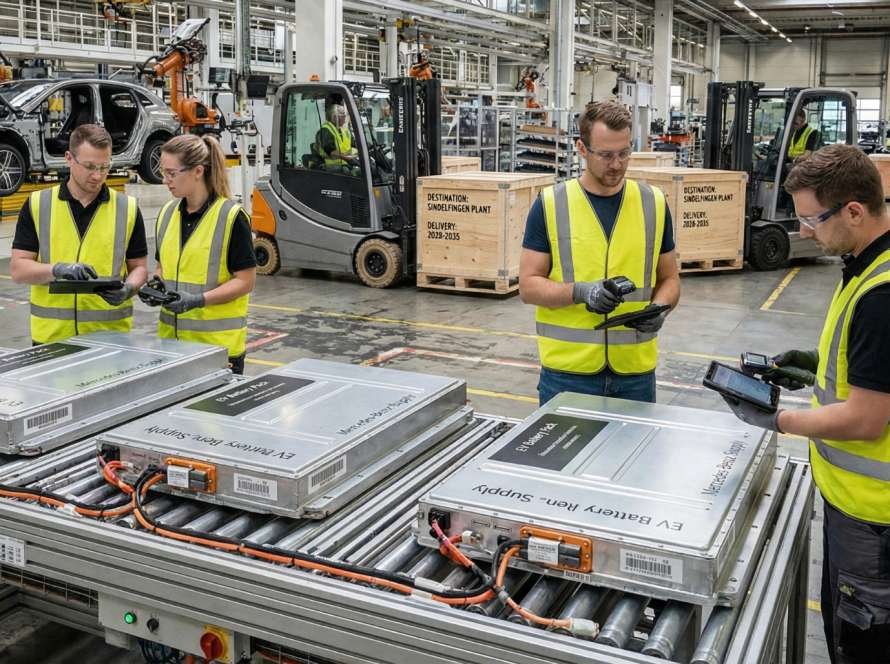
- Manufacturing Lead Times: Gigafactories require significant capital and a three to five year window to reach nameplate capacity.
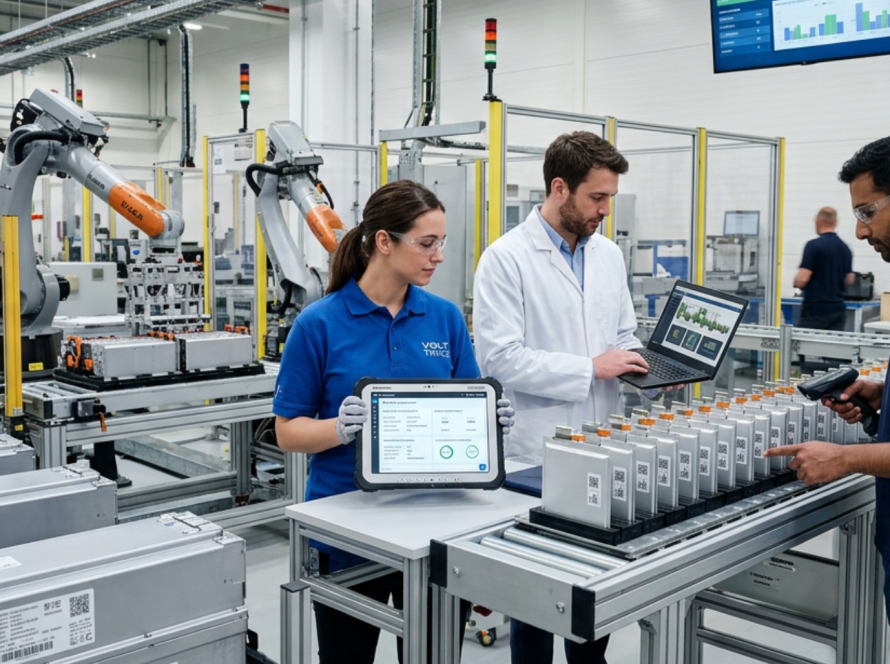
- Workforce Deficits: The surge in demand has created a global shortage of the systems engineers and material scientists required to scale production.
Recycling as a Supply Security Strategy
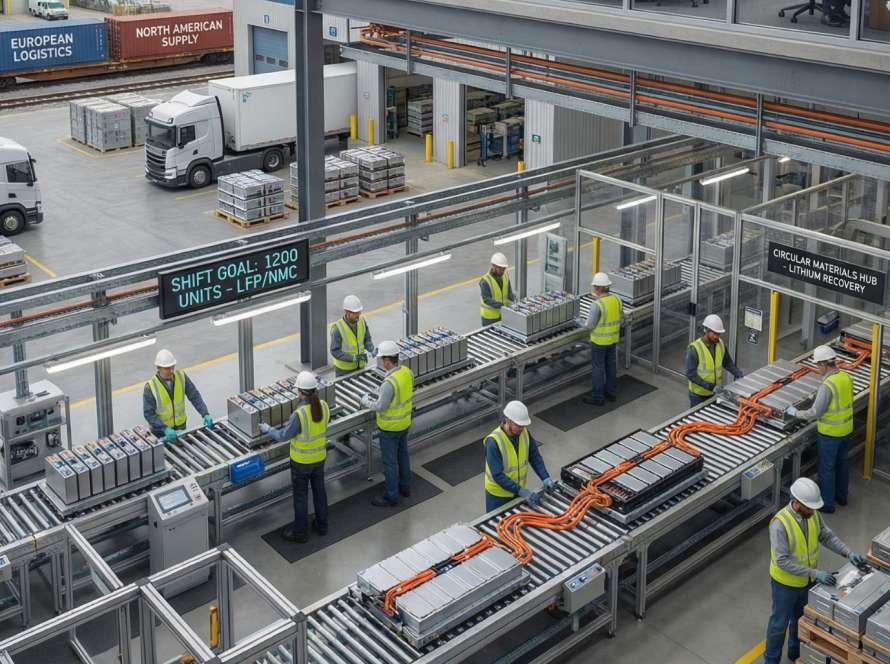
Circularity has moved beyond the ESG department. It is now a critical tool for supply chain resilience. With lithium recovery rates approaching 96 percent and cobalt reaching 99 percent, recycling has become a domestic mineral hedge against volatile global imports.
Investing in circularity allows organizations to decouple from geopolitical risks and establish a parallel, predictable supply of battery grade materials. For the C suite, this is the ultimate defense against resource nationalism and the rising costs of virgin mining.
Join the industry pioneers and technical architects defining the next phase of the battery economy. Discover the full speaker lineup and session details by visiting our official agenda.