
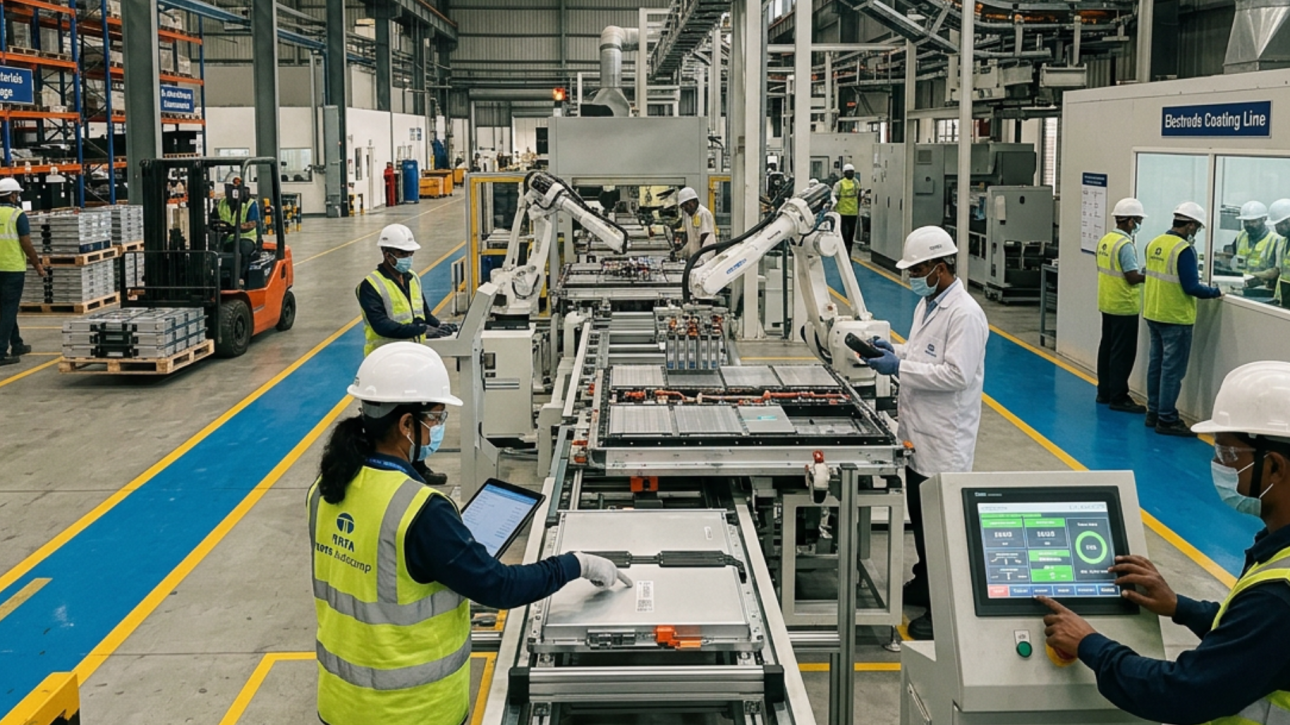
The global electric vehicle transition is entering a decisive phase in 2026-one defined not by adoption alone, but by industrial-scale execution in battery manufacturing. As EV penetration accelerates worldwide, EV battery manufacturing is becoming the core pillar of energy transition strategies across major economies.
What was once a demand-driven growth story is now shifting toward supply chain resilience, localized production, and advanced manufacturing capability.
From EV Adoption to Industrial Execution
Over the past decade, the electric mobility narrative was dominated…
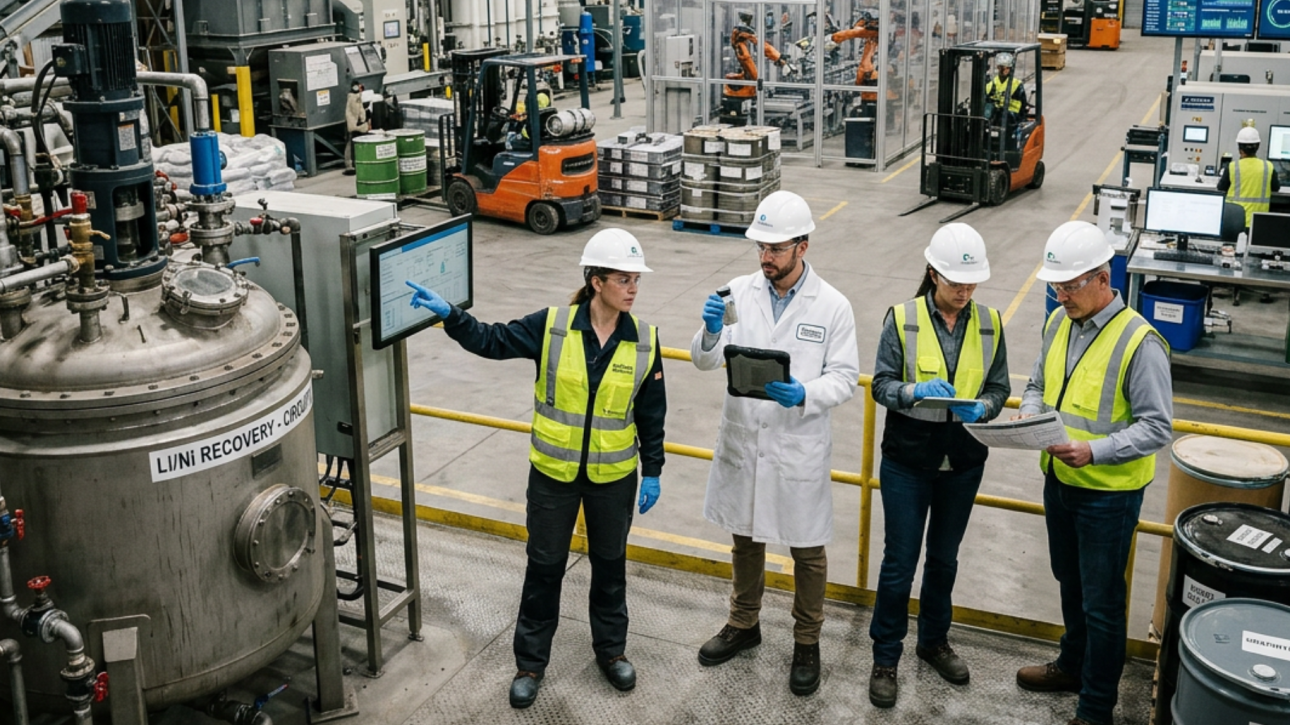
The U.S. Department of Energy (DOE) has announced a $500 million funding initiative aimed at strengthening domestic critical materials processing, battery manufacturing, and recycling capabilities. The move represents a strategic push to secure supply chains, reduce geopolitical dependencies, and accelerate industrial resilience.
Led by the DOE’s Office of Critical Minerals and Energy Innovation, the funding will support the development of demonstration and commercial-scale facilities across key segments of the battery value chain.
A Strategic Shift Toward Supply Chain Independence
The…
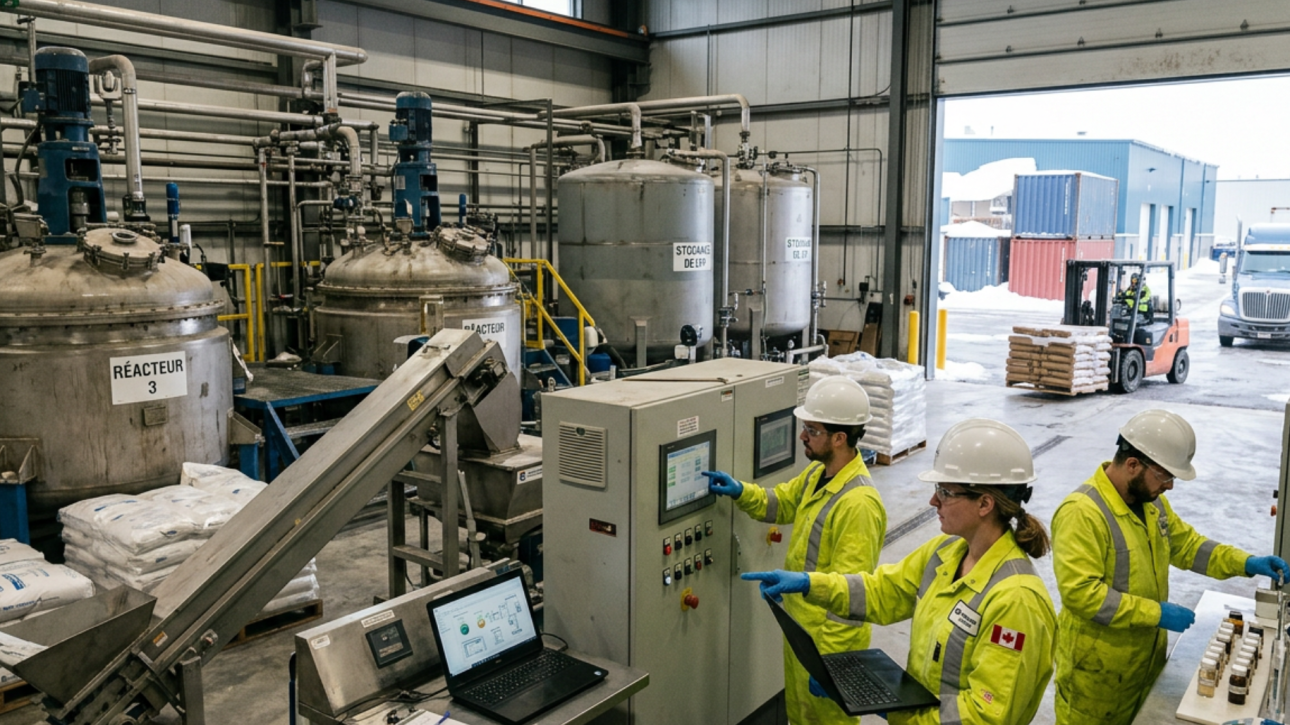
Canada Accelerates Its Position in the Global EV Battery Supply Chain
Canada is taking decisive steps to strengthen its position in the global electric vehicle (EV) battery supply chain, with targeted investments aimed at building domestic capabilities in battery materials and processing.
As global demand for EVs continues to rise, securing a resilient and localized supply chain has become a strategic priority for governments worldwide. Canada’s latest initiatives reflect a focused effort to reduce dependency on external suppliers while advancing…
The global electric vehicle transition is entering a decisive phase in 2026-one defined not by adoption alone, but by industrial-scale execution in battery manufacturing. As EV penetration accelerates worldwide, EV battery manufacturing is becoming the core pillar of energy transition strategies across major economies.
What was once a demand-driven growth story is now shifting toward supply chain resilience, localized production, and advanced manufacturing capability.
From EV Adoption to Industrial Execution
Over the past decade, the electric mobility narrative was dominated…
The U.S. Department of Energy (DOE) has announced a $500 million funding initiative aimed at strengthening domestic critical materials processing, battery manufacturing, and recycling capabilities. The move represents a strategic push to secure supply chains, reduce geopolitical dependencies, and accelerate industrial resilience.
Led by the DOE’s Office of Critical Minerals and Energy Innovation, the funding will support the development of demonstration and commercial-scale facilities across key segments of the battery value chain.
A Strategic Shift Toward Supply Chain Independence
The…
Canada Accelerates Its Position in the Global EV Battery Supply Chain
Canada is taking decisive steps to strengthen its position in the global electric vehicle (EV) battery supply chain, with targeted investments aimed at building domestic capabilities in battery materials and processing.
As global demand for EVs continues to rise, securing a resilient and localized supply chain has become a strategic priority for governments worldwide. Canada’s latest initiatives reflect a focused effort to reduce dependency on external suppliers while advancing…