Building a Circular Supply Chain for the Clean Energy Transition
Critical minerals power the technologies that define modern life, from smartphones and wind turbines to electric vehicles and transmission lines. These minerals are also essential to the clean energy transition. Lithium, cobalt, and nickel enable advanced battery storage. Neodymium and dysprosium form the magnets that drive electric motors and wind turbines. Tellurium, cadmium, and aluminum underpin solar power and grid infrastructure. Even hydrogen production depends on platinum and iridium catalysts.
Yet, the United States remains heavily dependent on imports for these materials, leaving supply chains vulnerable to disruption. Circular economy strategies such as recycling, secondary recovery, and product redesign offer a path toward resilience by reducing reliance on virgin mining and foreign supply.
America’s Critical Mineral Dependence
The United States produces 37 of the 50 critical minerals identified by the U.S. Geological Survey, but domestic production remains insufficient to meet demand. In 2024, the country relied on imports for 100% of 12 critical minerals and for more than 50% of another 28.
China dominates the supply chain, producing about 60% of U.S.-designated critical minerals and serving as the top import source for most. Other key suppliers include Canada, Japan, and South Africa. This concentration exposes the U.S. to geopolitical risks, price volatility, and potential trade disruptions.
With long permitting timelines for new mines and rising demand for clean technologies, diversifying and localizing the supply chain has become a strategic priority.
Circular Economy: A Smarter Model for Resource Security
A circular economy replaces the traditional linear model of “take, make, waste” with a system designed to minimize inputs and recover value from end-of-life products. It focuses on using fewer materials, redesigning for durability, and turning waste into new resources.
Circular strategies not only reduce environmental impacts and greenhouse gas emissions but also generate new economic opportunities. Expanding recovery and remanufacturing industries can create jobs and encourage innovation in recycling technologies, product leasing, and service-based business models.
For critical minerals, circularity reduces pressure on ecosystems and secures domestic supply without the environmental burden of large-scale mining.
Closing the Loop Through Battery Recycling
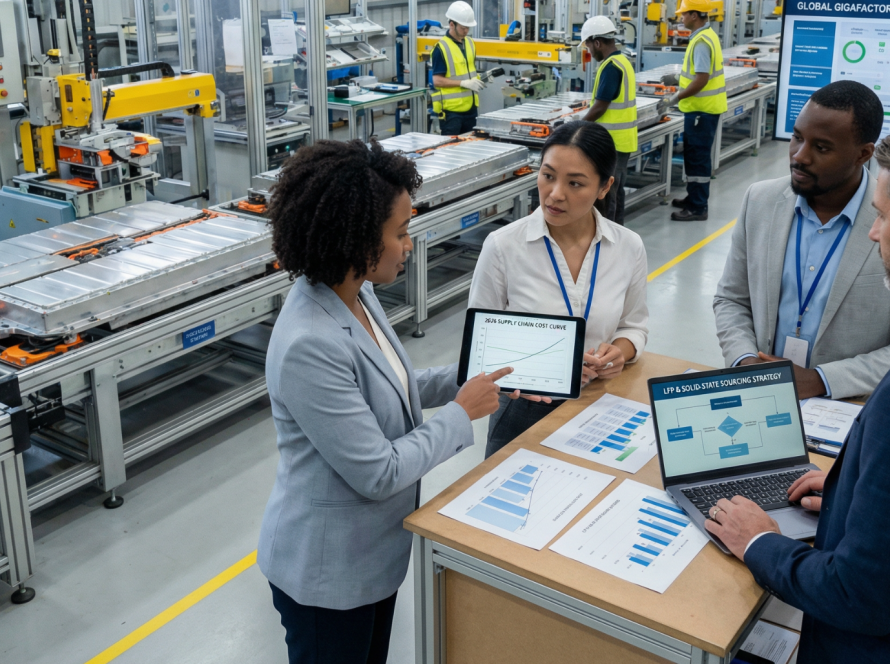
Recycling represents one of the most immediate and impactful circular strategies. Many critical minerals, especially lithium, nickel, and cobalt, can be recovered from end-of-life batteries and electronics.
However, less than 15% of U.S. lithium-ion batteries are currently recycled. Inefficient collection systems and limited recycling capacity prevent valuable minerals from reentering the supply chain.
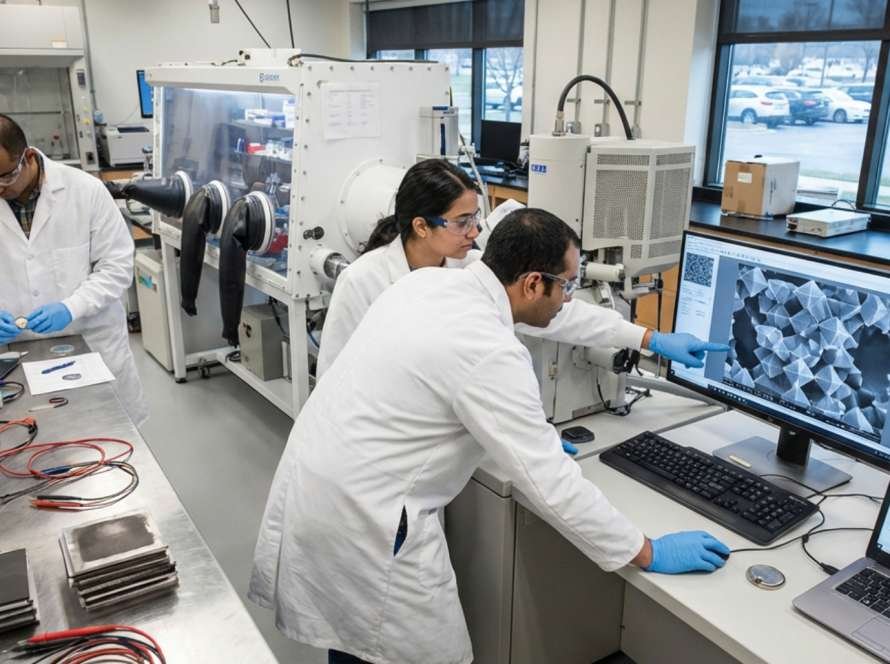
Traditional recycling methods rely on pyrometallurgy, which uses high-temperature smelting, and hydrometallurgy, which applies acid-based leaching. While effective, both are resource-intensive. Newer techniques such as organic acid extraction and deep eutectic solvents reduce costs and environmental impacts, improving recovery efficiency.
Another innovation, direct recycling or “cathode-to-cathode” recycling, restores battery cathodes for reuse without breaking them down into base metals, saving time, energy, and resources.
Battery design is equally crucial. Current EV batteries are difficult to disassemble due to welds and fasteners. Researchers at Lawrence Berkeley National Laboratory are testing a Quick-Release Binder that simplifies dismantling, cutting recycling costs dramatically.
Designing batteries with end-of-life recovery in mind ensures recyclability becomes a built-in feature, not an afterthought.
Secondary Recovery: Mining Value from Waste
While recycling focuses on consumer products, secondary recovery extracts critical minerals from industrial byproducts, tailings, and legacy mining waste.
The Infrastructure Investment and Jobs Act defines secondary recovery as the retrieval of minerals from discarded end-use products or waste generated during refining and manufacturing. These underused waste streams can become powerful new domestic sources.
Recovering Minerals from Acid Mine Drainage
The U.S. has more than 140,000 abandoned mine features on federal land. Many leak acid mine drainage (AMD), polluted water that dissolves heavy metals and contaminates rivers. Yet, this contaminated water also contains valuable rare earth elements.
Innovative treatment processes can both clean water and recover these minerals. For example, researchers at Pennsylvania State University have developed a two-step process that adds carbon dioxide to AMD, precipitating solids rich in critical minerals. Samples from Appalachian sites show concentrations of more than 2,000 mg of rare earths per kilogram of material, worth up to $400 per metric ton.
Pilot plants in West Virginia demonstrate that AMD recovery can be both technically feasible and economically profitable, with payback periods of just a few years.
Unlocking Value from Fertilizer Waste
Another opportunity lies in phosphate fertilizer production, which generates millions of tons of phosphogypsum waste each year. This byproduct often contains high concentrations of rare earth elements (REEs).
Chemical extraction methods have successfully recovered up to 94% of REEs from phosphogypsum, while newer bio-leaching techniques use mild organic acids to minimize environmental harm. When recovery facilities are co-located with existing fertilizer plants, costs drop significantly because the waste is already collected and processed onsite.
These waste-to-resource systems exemplify how circular innovation can turn environmental liabilities into domestic mineral assets.
Policy and Investment Momentum
The push for circularity is gaining policy support. In March 2025, an executive order prioritized domestic critical mineral production. The Department of Energy followed by committing nearly $1 billion to battery recycling, byproduct recovery, and rare earth demonstration projects.
Congress also advanced bipartisan measures such as the Promoting Resilient Supply Chains Act (H.R.2444/S.257) and the Intergovernmental Critical Minerals Task Force Act (H.R.3198/S.823) to accelerate circular infrastructure.
Even with growing momentum, more investment is needed, particularly for recycling infrastructure, regional recovery hubs, and standardized circular design frameworks.
Toward a Circular Future
Critical minerals are indispensable to both national security and clean energy progress. Circular economy strategies, especially recycling and secondary recovery, offer a pragmatic path to strengthen domestic supply while reducing environmental and economic risks.
By closing the loop on materials, the United States can transform waste into value, strengthen its supply chain, and build a more sustainable, self-reliant energy future.