Introduction
The global electric vehicle (EV) and battery supply chain is entering a decisive phase in 2026-one defined not by hype, but by maturity, scale, and strategic clarity. After a decade of rapid expansion fueled by subsidies and policy mandates, the industry is now transitioning toward organic growth, operational efficiency, and next-generation technologies.
For senior leaders across automotive, energy, mining, manufacturing, and capital markets, 2026 will offer a clear preview of how the electric economy will evolve over the next five years. The signals emerging this year will separate structural winners from transitional players.
Below are five critical developments shaping the EV and battery supply chain in 2026-and why they matter globally.
1. Gigafactory Strategy Shifts from Expansion to Optimization
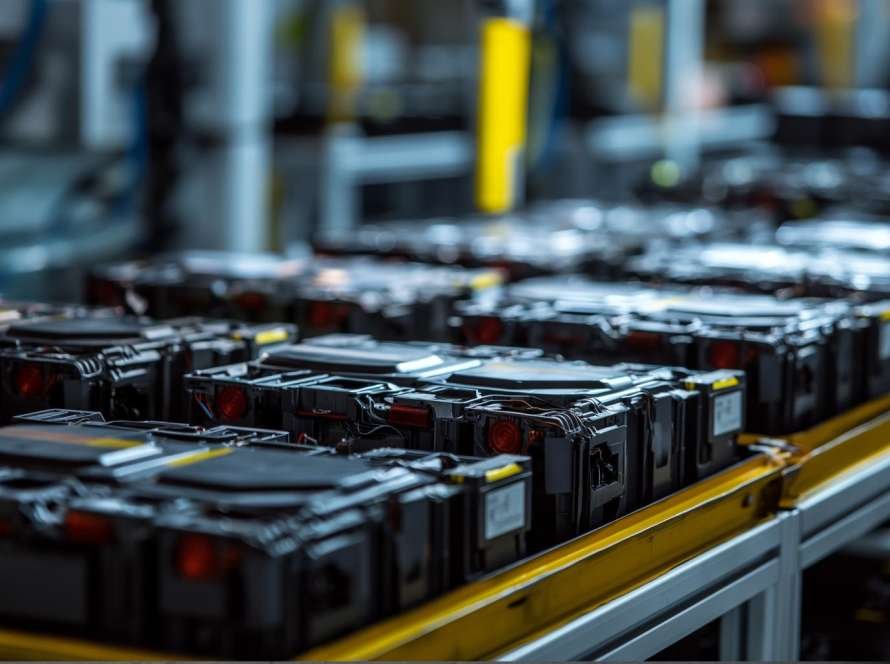
Battery manufacturers are recalibrating priorities. Rather than aggressive greenfield expansion, 2026 will see a strong focus on maximising throughput, yield, and cost efficiency from existing gigafactory capacity.
This shift reflects a more disciplined capital environment and a recognition that operational excellence-not installed capacity alone-will define competitiveness. Globally, this will:
- Improve battery cost stability
- Accelerate learning curves in manufacturing
- Strengthen margins for best-in-class producers
The industry is moving from “build fast” to “run smart.”
2. China’s Regulatory Reset Raises Global Benchmarks
China’s EV and battery sectors are undergoing a fundamental transformation. Policymakers are pivoting from volume-driven growth toward quality, safety, and lifecycle accountability-including stricter battery recycling, traceability, and technical standards.
This regulatory maturation is creating a survival-of-the-fittest environment, reducing excess capacity and elevating industry standards. Globally, China’s shift will:
- Influence regulatory frameworks in Europe, Asia, and emerging markets
- Raise expectations around battery safety and recyclability
- Improve trust among consumers and institutional investors
Rather than slowing momentum, regulation is reinforcing China’s leadership position.
3. Chinese EVs Accelerate Global Electrification-Even Without Subsidies
Despite the rollback of EV incentives across major markets-including the US, EU, UK, and parts of Southeast Asia-Chinese EV manufacturers are poised to expand internationally in 2026.
Their advantage lies in cost efficiency, vertically integrated supply chains, and rapid innovation cycles. This year will provide the clearest test yet of how much EV adoption can grow without heavy policy support.
The global implication is significant:
- Faster electrification in price-sensitive markets
- Greater competitive pressure on legacy OEMs
- Accelerated consumer adoption driven by affordability
Electrification is proving resilient-even in a more neutral policy environment.
4. Next-Generation Batteries Enter Commercial Reality
2026 marks a technological inflection point. Sodium-ion batteries are scaling into real-world applications, while semi-solid-state batteries are reaching mass-market deployment.
Beyond passenger vehicles, new demand is emerging from:
- Humanoid robotics
- Consumer electronics
- Industrial automation and energy storage
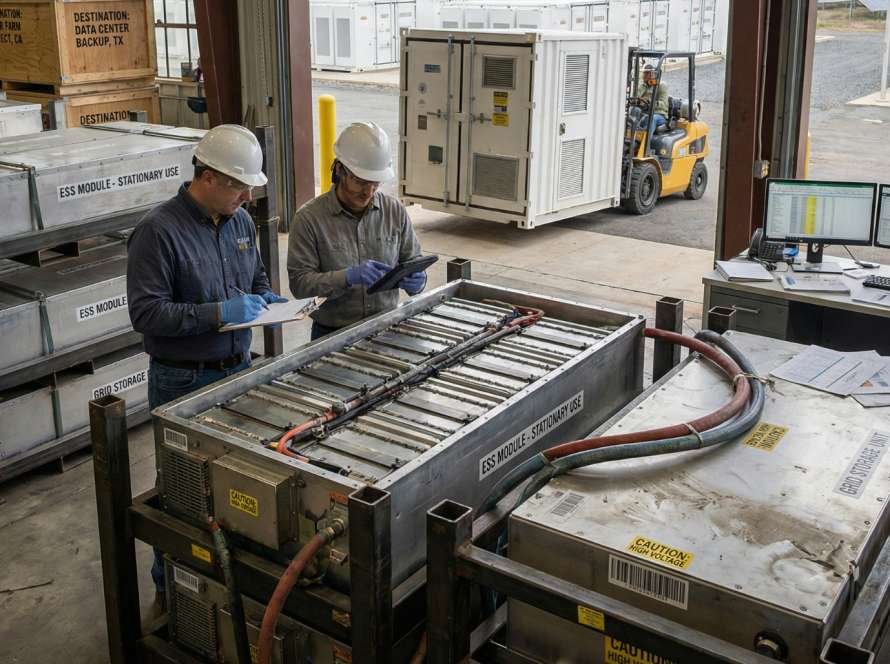
This diversification signals a broader transition toward a fully electrified economy, where batteries become a foundational technology across sectors-not just mobility.
5. Europe’s Battery Manufacturing Moment of Truth
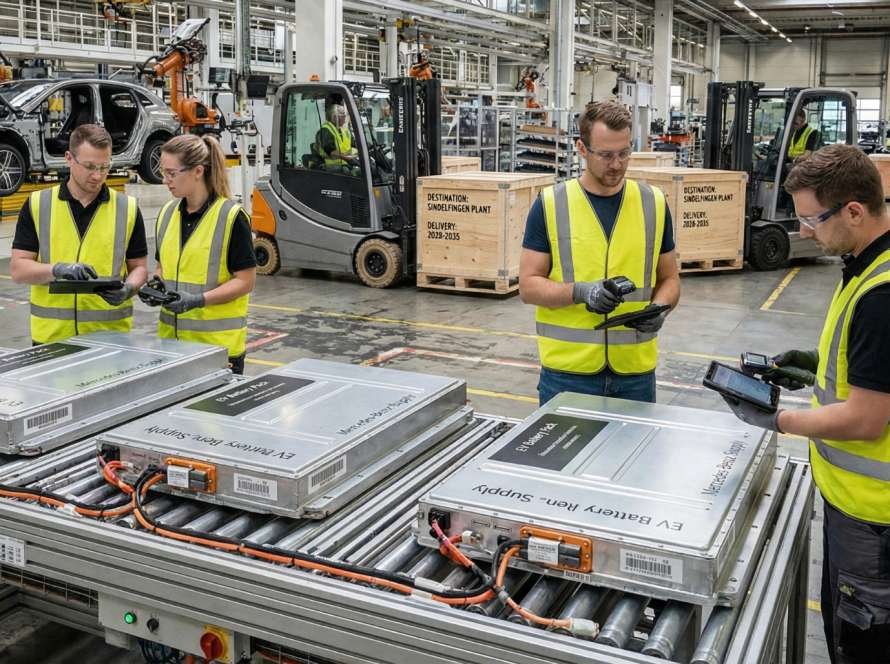
Multiple European battery facilities are ramping up production in 2026, making this a defining year for the region’s industrial ambitions.
Success will depend on:
- Cost competitiveness versus Asian peers
- Access to skilled labor and raw materials
- Speed of scaling without quality compromise
The outcome will shape Europe’s strategic autonomy in clean mobility and energy storage for the next decade.
Discover how Thought Xchange Network connects global executives and innovators shaping clean energy, smart mobility, and sustainable infrastructure
Executive Perspective: Why 2026 Matters
The EV and battery sector is no longer an emerging industry-it is becoming core global infrastructure. In 2026, leaders will gain unprecedented clarity on:
- Which business models are sustainable
- Which technologies are commercially viable
- Which regions will dominate the next phase of electrification
For the C-suite, this is the year to move from experimentation to decisive, long-term positioning.