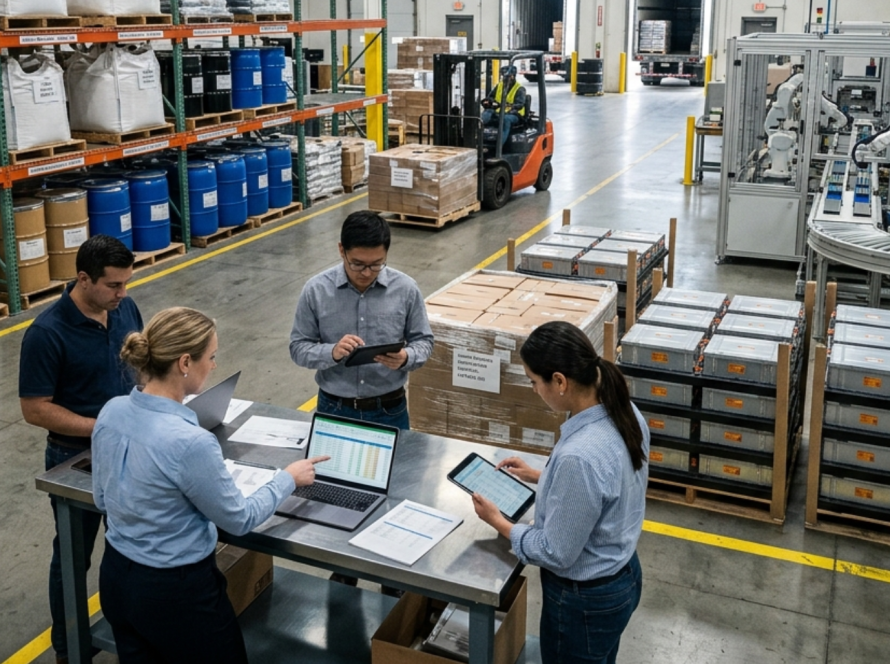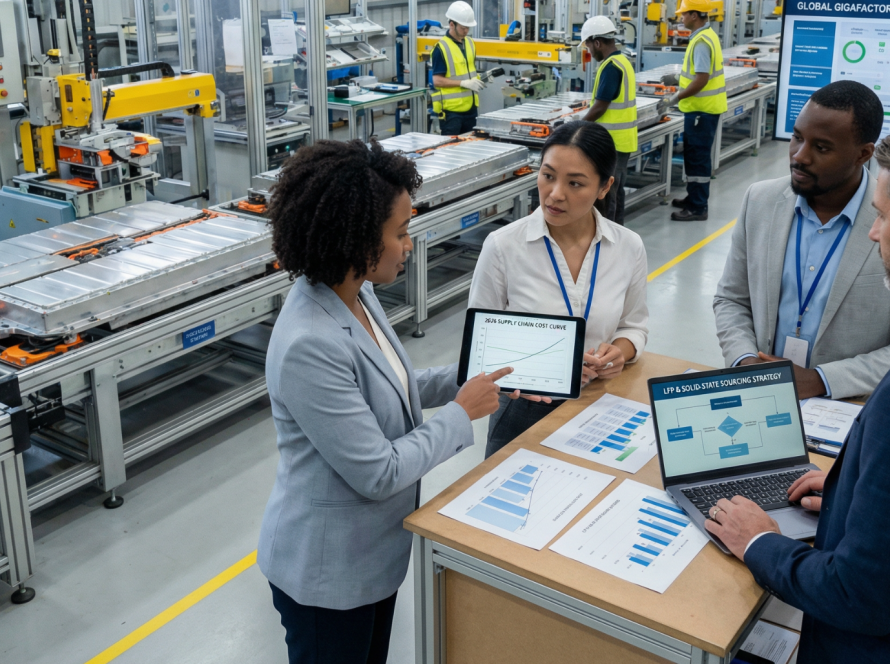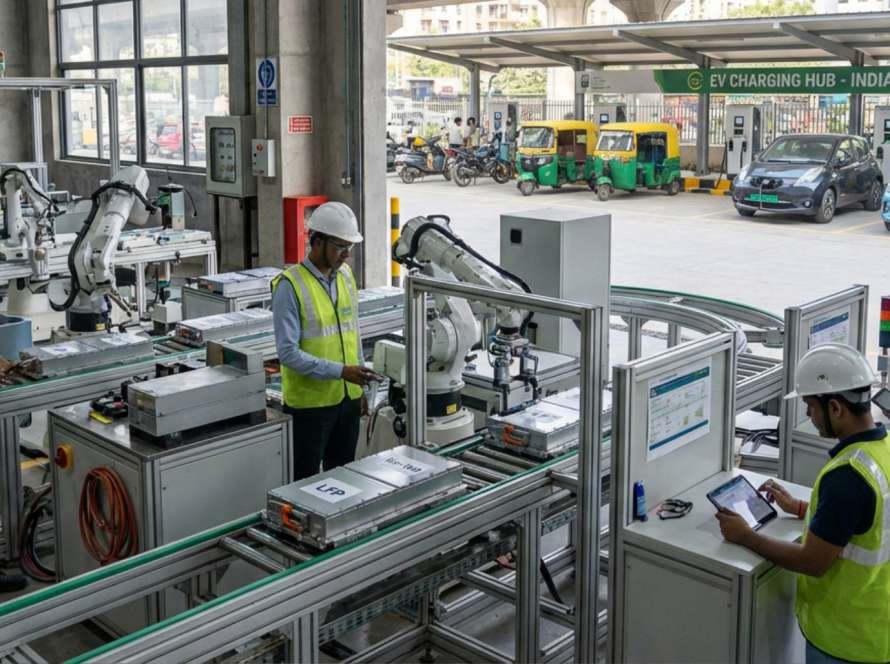
India is on the brink of becoming one of the most influential forces in the global battery and energy storage ecosystem. According to a new report by the India Energy Storage Alliance (IESA), the country’s Advanced Chemistry Cell (ACC) battery demand is projected to surge from just 28 GWh in 2025 to over 700 GWh by the mid-2040s-a nearly 25-fold increase that will reshape global supply chains, investment flows, and energy transition strategies.
This growth trajectory is not merely a domestic milestone. It signals a structural shift in the global balance of power across electric mobility, grid-scale energy storage, and clean-tech manufacturing.
A New Global Anchor for Battery Demand
Until now, global battery demand has been dominated by China, Europe, and the United States. India’s rise as a 700+ GWh demand centre introduces a fourth anchor-one with unique scale, cost sensitivity, and policy-driven momentum.
For global battery manufacturers, automotive OEMs, and energy majors, India will increasingly serve as:
- A core market for volume-driven battery production
- A strategic hedge against geographic concentration risk
- A long-term demand stabilizer in an otherwise cyclical EV market
This shift will force global players to rethink manufacturing footprints, joint ventures, and capital allocation over the next two decades.
Rewriting Global Supply Chains for Critical Minerals
India’s battery expansion will materially impact global flows of lithium, iron, phosphate, nickel, graphite, and recycled battery materials.
The report highlights that Lithium Iron Phosphate (LFP) chemistries and variants are expected to account for over 60% of India’s battery demand by 2047, reinforcing a global pivot toward:
- Cost-efficient chemistries
- Improved thermal safety
- Reduced dependence on scarce and volatile minerals
This trend supports a broader global objective: building resilient, diversified, and geopolitically balanced battery supply chains.
Accelerating the Global EV Cost Curve
Electric vehicles are expected to account for 74–77% of India’s total battery demand by 2047, with EV adoption growing at a CAGR exceeding 30% through 2035-led by two-wheelers, three-wheelers, passenger vehicles, and commercial fleets.
At scale, this demand will:
- Drive down per-unit battery costs globally
- Improve standardization across platforms
- Shorten innovation-to-commercialization cycles
The downstream effect is clear: more affordable EVs worldwide, particularly in emerging markets where price remains the primary barrier to adoption.
Strengthening the Global Energy Transition
Beyond mobility, India’s rapidly growing stationary energy storage market will play a critical role in enabling renewable-heavy power grids.
As storage deployment accelerates post-2030 to support solar and wind integration, India will become a large-scale testbed for:
- Grid balancing technologies
- Long-duration storage models
- Battery lifecycle management and recycling
Lessons learned at this scale will influence grid modernization strategies across Asia, Africa, Latin America, and parts of Europe.
A Strategic Signal to Global Investors and Policymakers
India’s battery trajectory aligns directly with its Viksit Bharat Vision 2047, but its implications extend far beyond national borders.
For global investors, the message is unambiguous:
- Battery ecosystems-not just EV brands-will define long-term value creation
- Recycling, reuse, and second-life applications will become strategic differentiators
- Markets that fail to build battery capabilities risk long-term industrial decline
For governments worldwide, India’s approach reinforces the importance of integrated industrial policy, domestic manufacturing, and energy security.
Read more about: How Policy Changes Are Reshaping U.S. Battery Supply Chains
The Big Picture for Global Leadership
India’s rise to a 700 GWh battery market is not incremental-it is transformational. It positions the country as a global multiplier for electrification, lowering costs, diversifying supply chains, and accelerating the world’s transition to clean energy.
For C-level leaders shaping strategy across automotive, energy, infrastructure, and capital markets, India’s battery boom is no longer a future consideration-it is a present-day strategic reality.