The electric vehicle (EV) and battery market is entering a pivotal stage of maturation. Regulatory shifts, technological innovation, and strategic supply chain adjustments are converging to make 2026 a watershed year for global electrification.
1. Chinese EVs Lead Global Electrification
China remains the primary engine of EV adoption, supplying vehicles and batteries that influence markets worldwide. Despite policy changes in the US, EU, and Southeast Asia, Chinese OEMs are expected to accelerate electrification across borders, setting benchmarks for production scale, pricing, and technology adoption.
2. Next-Generation Batteries Enter the Market
2026 will see semi-solid-state and sodium-ion batteries move from labs to commercial deployment. These technologies offer higher energy density, faster charging, and greater safety, supporting not only EVs but also robotics, drones, and consumer electronics, driving a broader global shift toward electrification.
3. Gigafactory Optimization Over Expansion
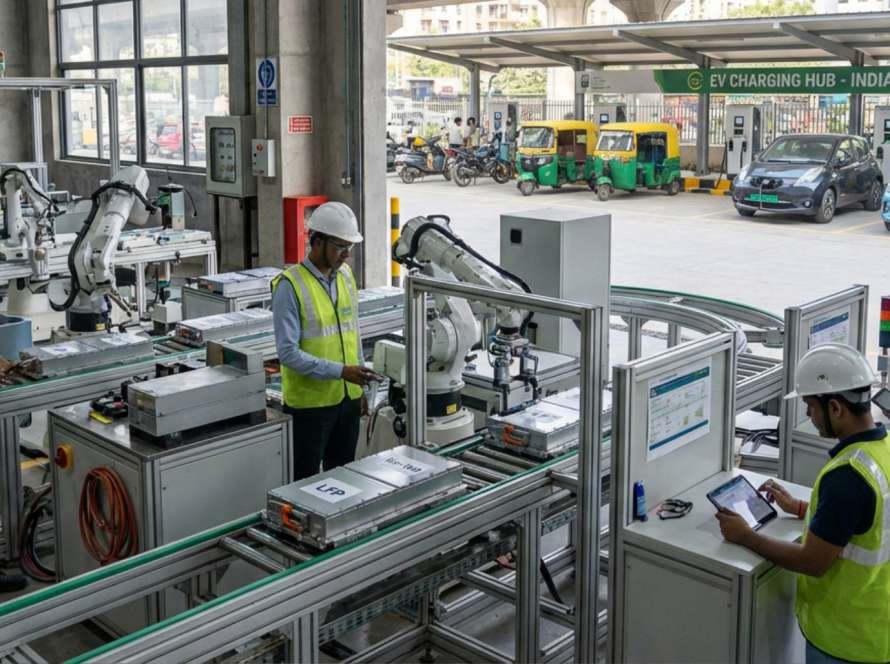
Battery producers are maximizing throughput from existing facilities rather than building new ones. This approach stabilizes supply, reduces costs, and ensures reliable integration into global EV manufacturing. Efficiency gains will ripple across international supply chains.
4. Quality-Focused Regulation in China
China is shifting from a quantity-driven EV strategy to quality and safety-focused industrial policy. Higher standards in battery reliability and production safety will influence global supplier practices and set benchmarks for international markets.
5. Europe’s Battery Sector Matures
European battery plants are ramping up production, aiming for regional self-sufficiency. Increased output will impact global pricing, supply security, and cross-continental EV deployment, strengthening Europe’s position in the international EV ecosystem.
Global Implications
- Automakers: Must adapt to next-gen batteries and changing Chinese supply dynamics.
- Suppliers: Face opportunities in emerging technologies but must meet stricter standards.
- Policymakers: Must anticipate global ripple effects from regulations, tariffs, and market shifts.
2026 is more than a milestone for EVs-it is a turning point in global mobility, battery innovation, and sustainable transportation. Strategic decisions this year will shape the global EV and battery landscape for the decade.
Read more about: How Policy Changes Are Reshaping U.S. Battery Supply Chains