How Gigafactories and Mineral Sourcing Are Redefining Global Power
The global transition toward electrification has triggered a new kind of industrial race: control of the battery supply chain. This competition is reshaping global influence and determining which economies will lead the future of clean energy and manufacturing.
From electric transport to grid-scale storage, securing the flow of battery materials and production capacity is becoming as vital as oil once was. The nations that dominate battery supply chains will hold a decisive advantage in both economic and geopolitical terms.
The Future of the Battery Supply Chain in Electrification
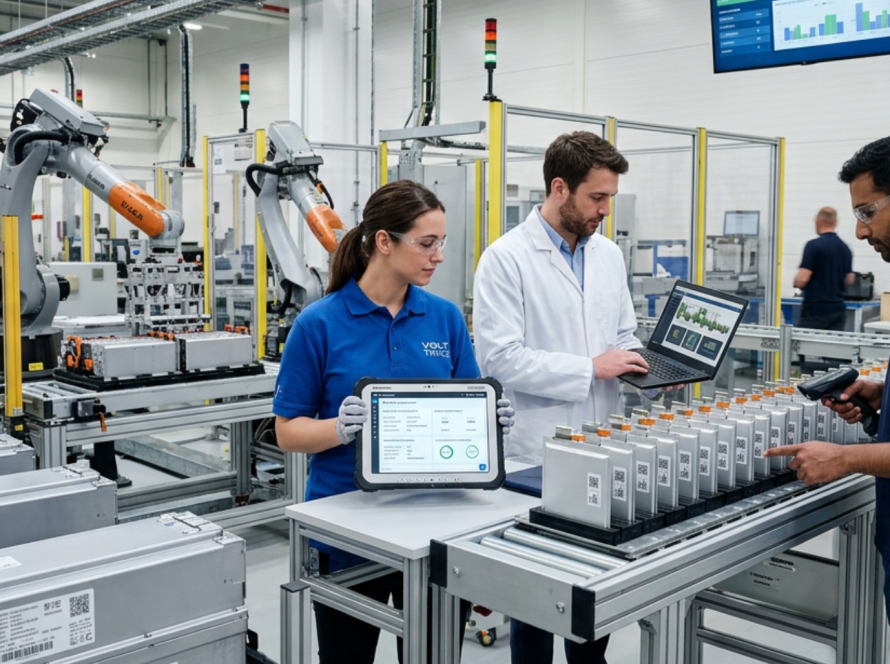
Gigafactories are the core infrastructure of the electric era. Each one can produce more than 10 gigawatt-hours of batteries every year, achieving dramatic cost reductions through scale and efficiency.
This scale effect has driven global battery prices down by almost 90 percent in the past decade, making electric vehicles affordable for the first time. Even as EV demand steadies, ongoing government incentives and renewable energy integration keep production expansion a top priority.
To maintain momentum, nations are investing heavily in large-scale facilities that can meet growing consumer and policy-driven needs.
Why Battery Chemistry Drives the Supply Chain Race
At the heart of every battery plant lies a crucial cost and performance driver: cathode active materials (CAM) and precursor materials (PCAM). Together they account for nearly 40 percent of total battery costs and directly affect range, safety, and charging speed.
Battery chemistry has therefore become a competitive field of its own. Different chemical formulations determine the positioning of manufacturers across global markets.
- Nickel Manganese Cobalt (NMC) batteries deliver high energy density for long-range vehicles.
- Lithium Iron Phosphate (LFP) batteries are more stable and cost-effective, suited to mainstream vehicles and energy storage.
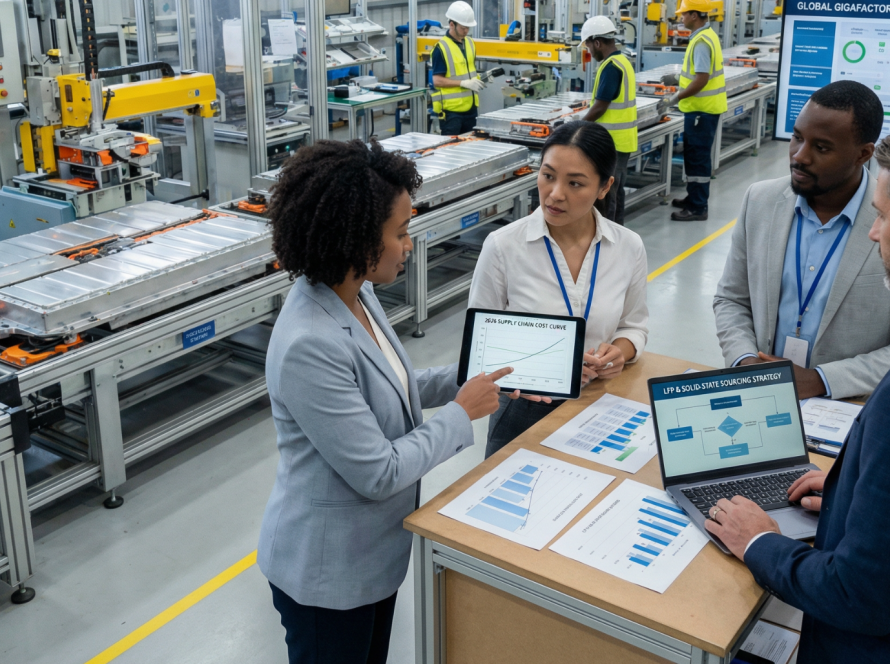
- Lithium Manganese Iron Phosphate (LMFP) and sodium-ion technologies are emerging as challengers, offering flexibility in sourcing and performance.
The chemistry choices that manufacturers make today will define their competitiveness tomorrow.
Fragmented Resources and Concentrated Control
The battery value chain is deeply uneven. Each stage, from mineral extraction to cell assembly, follows a different global pattern of control.
Mining is geographically scattered.
- Lithium comes mainly from Australia.
- Nickel from Indonesia.
- Cobalt from the Democratic Republic of Congo (DRC).
China’s access to cobalt has tightened since the DRC announced an export ban on cobalt intermediates in 2025, limiting refinery feedstock for the second half of the year.
Refining and processing, however, remain highly concentrated. China handles more than 90 percent of global refining for lithium, cobalt, and graphite. It also produces most of the world’s cathodes and anodes, and more than 75 percent of battery cells. Forecasts show China maintaining about 70 percent of global production through 2027.
By contrast, South Korean producers are operating at about 50 percent capacity utilization, reflecting both market volatility and over-expansion. This underlines the urgent need for diversified, resilient supply chains.
Regional Strategies to Rebalance the Value Chain
As China continues to dominate, other regions are moving quickly to establish their own battery ecosystems.
North America is investing in domestic CAM and PCAM manufacturing with carbon-neutral processes, supported by substantial government incentives. The U.S. Department of Energy has announced nearly one billion dollars in new funding to strengthen domestic mining, refining, and battery manufacturing capabilities.
Europe is scaling up CAM facilities in Finland and Hungary, seeking to reduce import reliance and strengthen local resilience.
India is focusing on LFP and other emerging chemistries while developing industrial parks for battery production.
Indonesia is shifting from exporting raw nickel to developing refining and cathode manufacturing, establishing itself as a key player in Southeast Asia’s growing battery sector.
Challenges and Opportunities Ahead
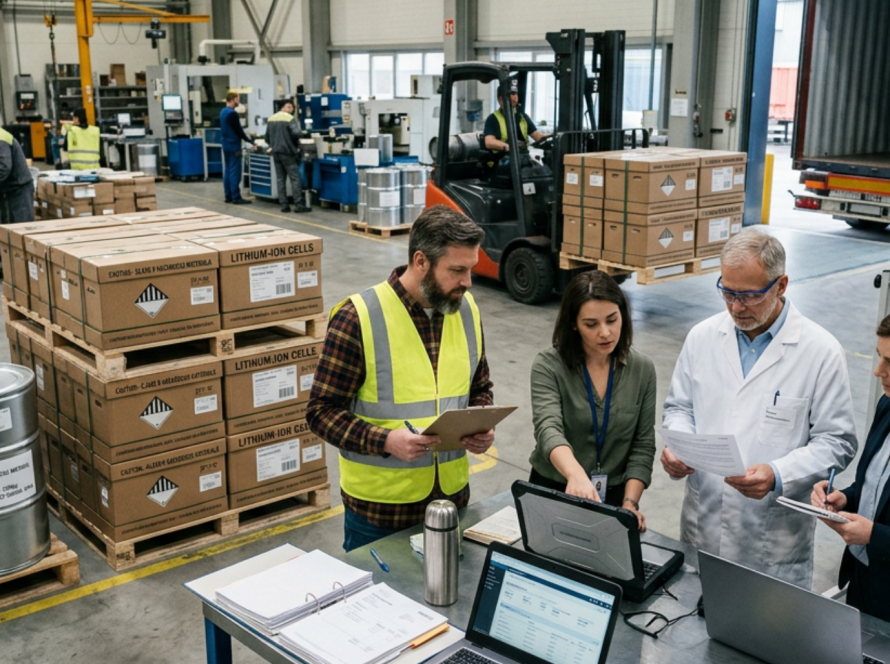
Despite the momentum, the battery supply chain still faces major constraints. Uneven access to critical minerals, long permitting times for new facilities, and high capital costs continue to slow progress.
The global shortage of skilled labor in battery engineering and chemistry also poses a challenge. Training programs, workforce incentives, and industrial partnerships are needed to close the skills gap.
Opportunities, however, are growing. Battery recycling can recover up to 95 percent of lithium, nickel, and cobalt, cutting environmental impact while improving resource security. Regional hubs that integrate mining, refining, and recycling can achieve efficiency gains and reduce dependence on imports.
Innovations in low-emission chemical processes and digital optimization tools are also helping to make the industry cleaner and more sustainable.
The Next Decade of Battery Sustainability
By 2030, control of CAM, PCAM, gigafactory output, and battery assembly will define industrial leadership in clean energy. Gigafactories are increasingly adopting recycling within production loops, helping to create a circular and self-sustaining ecosystem.
The European Union now requires all batteries sold in the region to include recycled content: 6 percent lithium and nickel and 16 percent cobalt by 2030, with higher goals by 2035.
While recycled lithium and nickel will likely meet future demand, limited cobalt recycling remains a bottleneck. Companies are responding by investing in upstream extraction and refining to stabilize supply.
Sustainability and circularity are becoming the guiding principles of global competition. The countries that can integrate recycling, renewable power, and resilient manufacturing will lead the next phase of electrification.